
A strong dollar means one US dollar exchanges for more of other currencies — and the effects split cleanly between what you buy and what the country sells. Imported goods, from electronics to out-of-season produce, get cheaper because your dollars convert into more foreign cost coverage; overseas travel stretches further for the same reason. On the other side, US exporters earn less when their products price higher abroad, and American companies with big foreign sales see those profits shrink in translation. The dollar's strength is not a scoreboard — it is a price, and every price has two sides.
SAMCASH publishes information, not financial advice — currency effects on any household depend on what you buy, where you work, and where your investments earn.
What makes the dollar strengthen?
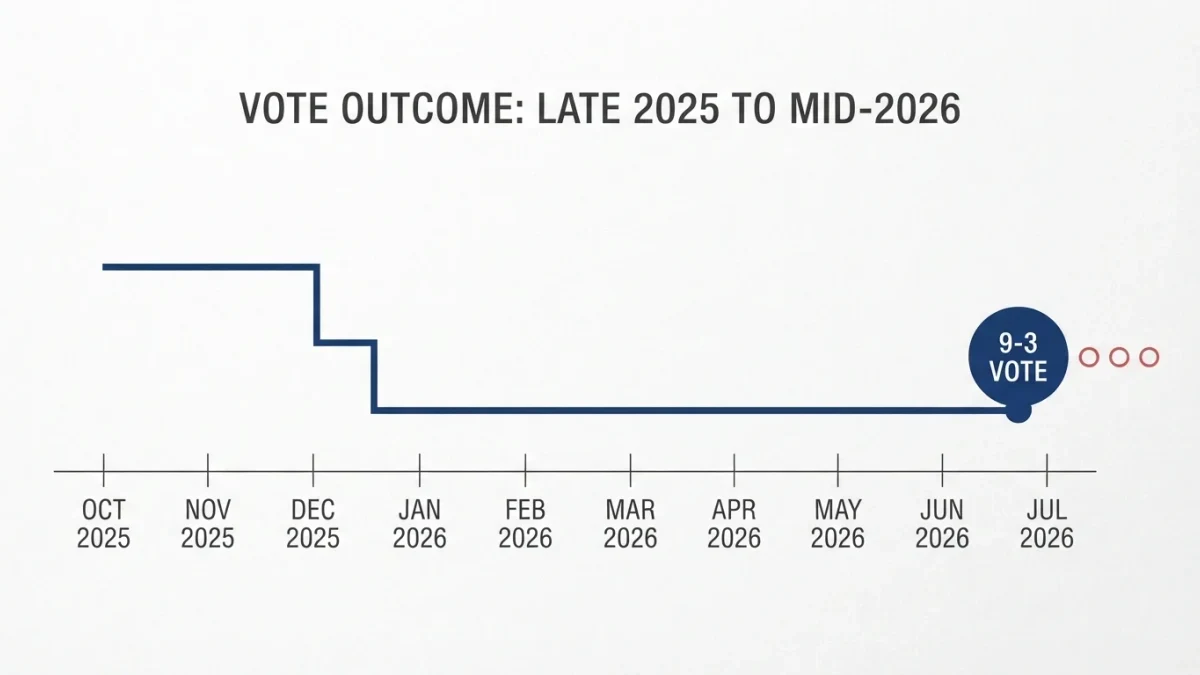
Relative interest rates and relative safety. When US rates sit above other major economies' rates, global money flows into dollar assets to capture the yield — the Fed's holding of its 3.50%–3.75% target range into 2026 supported the currency while other central banks cut. Crises strengthen it too, because the dollar is the world's reserve asset and investors reach for it when frightened. Growth expectations, trade balances, and central-bank policy differences all push in the same market, where the dollar's price against, say, the euro or yen moves continuously.
How does it reach prices you pay?
Through import prices, with a lag. A stronger dollar cuts the dollar-cost of foreign goods within months as importers and retailers reprice — part of why goods inflation cooled in past strong-dollar stretches while services kept climbing. It also works against tariffs: a tariff pushes an import's price up while a stronger dollar pulls it down, and the net effect on any shelf depends on which force is bigger for that product. Neither force cancels the other on paper; both simply land in the final price.
Who wins and who loses?
| You are a… | Strong dollar effect |
|---|---|
| Shopper for imported goods | Prices ease modestly over months |
| Traveler abroad | Hotels and meals cost less in dollars |
| US factory or farm worker | Export demand softens; layoff risk rises in exposed sectors |
| Investor in foreign stocks or funds | Foreign gains shrink when translated home |
| Multinational-stock owner | Overseas profits translate into fewer dollars |
Effects are general tendencies, not guarantees — company pricing power and contracts blunt or delay each one.
Related stories: What the debt ceiling is — and why fights over it rattle markets · Inflation eased to 3.5% in June 2026 — what it means for your budget.
What should travelers actually do?
Three habits capture most of the value. Pay in the local currency when a card terminal offers the choice — choosing dollars activates dynamic currency conversion, a poor exchange rate with a fee on top. Use a card with no foreign transaction fee, which saves roughly 3% on every purchase. And skip airport exchange kiosks, whose spreads are the worst in the business; an ATM withdrawal on arrival at a no-foreign-fee card beats every counter rate. None of this requires forecasting currencies — it requires not donating the spread.
Does a strong dollar help or hurt your investments?
Mixed, and mostly quiet. Big US multinationals earn a large share of profit abroad, so a sustained strong dollar trims their reported earnings — one of the drags index-fund holders absorb without seeing it named. International funds face the translation haircut in reverse: a foreign market can rise 8% in local terms and show 4% in dollars after the currency moves. Long-term investors treat this as texture — currencies swing both ways across decades — but anyone planning a large foreign purchase, from tuition to a retirement abroad, should notice the exchange rate before wiring money.
FAQ
Is a strong dollar good for the economy?
Good for consumers and importers, harder for exporters and manufacturers, and on net genuinely contested among economists. It also restrains inflation by cutting import costs — one reason rate policy and the dollar travel together.
Should I buy foreign currency when the dollar is strong?
Only with a real need and a real date — a planned move, tuition abroad, regular travel. Currency speculation is a professional's losing game; for households, capturing a good rate on money you would spend anyway is the reasonable version of the trade.
Why did my international fund lag its index last year?
Currency translation, most likely. Foreign indexes quote local-currency returns; your fund reports dollars. When the dollar strengthens, the gap opens in the dollar's favor of nobody — it is arithmetic, and it reverses when the dollar weakens.